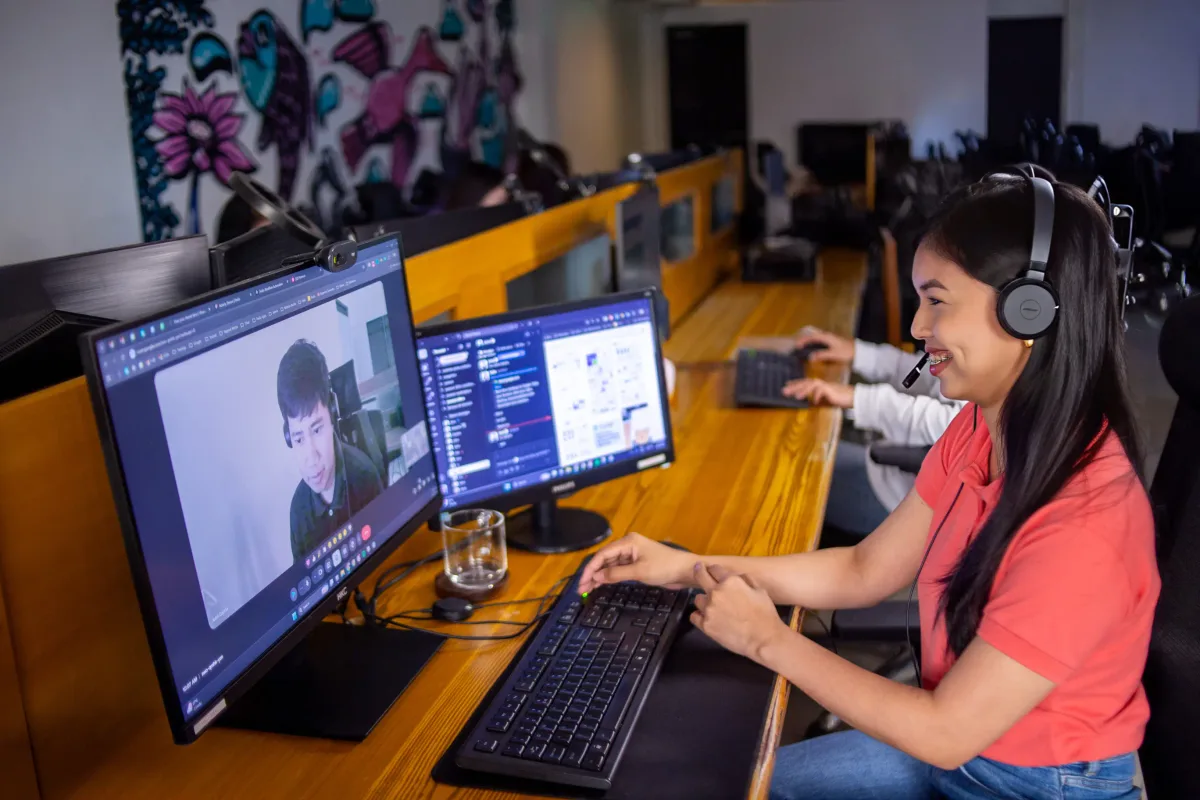
You've landed a BPO interview — now the goal is simple: stand out and secure the role.
Here's what most candidates don't realise: BPO interviews are highly structured. The candidates who get hired aren't always the most experienced — they're the ones who understand what employers are looking for and show up prepared.
If you know what to expect and how to position yourself, you're already ahead of most applicants.
What BPO Employers Are Actually Looking For
Before anything else, it's important to understand this: BPO companies are hiring people who can represent clients professionally, communicate clearly, and handle real tasks from day one.
That means we're not just assessing your answers — we're looking at:
- How you communicate
- How you think through situations
- How you present yourself
- How ready you are to start
When you align with these, you instantly become a stronger candidate. If you're still building your foundation, our complete BPO starter guide covers the roles available, what employers really want, and how to enter the industry with confidence.
The BPO Interview Process (And How to Stay Ahead)
Most candidates go in expecting one interview. In reality, there are usually multiple steps:
- Initial screening (quick qualification check)
- Formal interview (communication and fit)
- Assessments (skills-based testing)
- Final interview (sometimes with a manager or client)
What gives candidates an edge? They prepare for the full process — not just the first call. Consistency across every stage is what gets you hired.
How to Answer Common Questions — The Right Way
At this stage, it's not about having perfect answers. It's about being clear, structured, and confident.
"Tell me about yourself."
Keep it focused. Highlight your background, relevant skills, and why you're applying. Strong candidates stay concise and intentional.
"How do you handle an irate customer?"
We're looking for calm, structured thinking:
- Listen
- Acknowledge
- Empathise
- Resolve
"Why BPO?"
This is where many candidates lose impact. Avoid generic answers. Instead, show:
- Interest in client-facing work
- Long-term growth mindset
- Willingness to learn and adapt
"Describe a time you worked under pressure."
Use real examples. Show how you stayed organised and delivered results — not just that it was stressful.
Communication: The #1 Hiring Factor
Let's be clear — you do not need a foreign accent.
What matters is:
- Can we understand you easily?
- Can you explain things clearly?
- Can you stay composed while speaking?
If a client in Australia or New Zealand can have a smooth conversation with you, you're on the right track.
Simple ways to improve:
- Speak at a steady pace
- Be mindful of clarity, not speed
- Practice answering out loud, not just in your head
Assessments: Where Most Candidates Fall Behind
This is where preparation really shows. You may be tested on:
- Typing speed (30–40 WPM baseline)
- Email or chat responses
- Basic grammar and comprehension
- Real-life customer scenarios
Many candidates underestimate this — and that's exactly why it becomes a deciding factor. If you prepare for this, you gain a real advantage.
First Impressions Still Matter
Whether virtual or in-person, how you present yourself affects how seriously you're taken.
In-person: Clean, business casual. Well-groomed and professional.
Virtual: Clear background, good lighting, minimal distractions.
It's not about being overdressed — it's about showing you're ready to represent a client.
Virtual Interview Tips That Make a Difference
Small details can separate you from other candidates:
- Test your setup before the interview
- Join 5–10 minutes early
- Look at the camera when speaking
- Keep your answers clear and direct
- Have your resume ready
These signal reliability — something every employer values.
What Actually Gets You Hired
From a hiring perspective, the candidates who get offers are the ones who:
- Communicate clearly and confidently
- Show they can handle real work scenarios
- Come prepared for every stage
- Demonstrate a strong willingness to learn
It's not about being perfect — it's about being ready.
At Yoonet, we work with clients in Australia and New Zealand, placing candidates in roles where they can grow, gain international exposure, and build long-term careers. Once you're in, knowing which skills to develop from day one is what separates those who progress quickly from those who plateau.
From Beginner to BPO Pro: Your Complete Starter Guide 5 Skills That Fast-Track Career Growth in a BPO Environment Why Balanga is One of the Best Places to Start a BPO Career